


Skip to content
Leadership Development Training

Leadership Development

Fire Safety Training provides essential skills and knowledge to prevent, respond to, and manage fire emergencies effectively in the workplace.

Qatari business leaders in a leadership development session

Fire Safety Training equips management with the expertise to implement and oversee effective fire prevention and emergency response strategies, ensuring a safer work environment. This training helps minimise risks, comply with regulations, and protect both personnel and assets from fire-related incidents.

A trainer leading a leadership development workshop

Benefits to Employees

    • Enhanced Safety Skills: Employees learn how to prevent and respond to fire emergencies, increasing their personal safety.
    • Confidence in Emergencies: Builds confidence in handling fire-related situations effectively.
    • Awareness of Fire Hazards: Increases understanding of fire hazards and preventive measures in the workplace.
    • Emergency Preparedness: Equips employees with practical knowledge for participating in fire drills and evacuations.


A management team working through a business case study

Benefits to your Business

    • Reduced Risk: Minimises the likelihood of fire-related incidents and damages by promoting proactive safety measures.
    • Compliance: Ensures adherence to fire safety regulations and standards, avoiding potential fines and legal issues.
    • Business Continuity: Enhances preparedness and response capabilities, reducing downtime and disruption in the event of a fire.
    • Employee Safety: Demonstrates a commitment to employee safety and well-being, improving morale and reducing potential liabilities.


A facilitator presenting learning outcomes to a class

Key Learning Outcomes

    • Understanding fire hazards and prevention techniques.
    • Effective fire response and evacuation procedures.
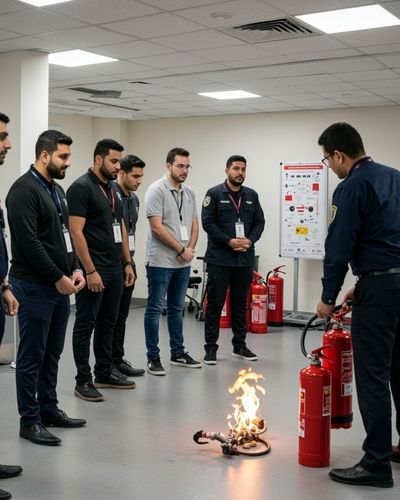
    • Proper use of fire extinguishers and other equipment.
    • Knowledge of fire safety regulations and workplace requirements.


Colleagues discussing strategy in an office meeting

Key Areas of Focus

    • Fire Prevention: Identifying and mitigating fire hazards.
    • Fire Behavior: Understanding how fires start and spread.
    • Evacuation Procedures: Planning and executing safe evacuations.
    • Fire Extinguisher Use: Training on selecting and using the right fire extinguisher.
    • Emergency Preparedness: Developing fire emergency plans and drills.
    • Legal Compliance: Ensuring adherence to fire safety regulations and standards.


Take the
Next Step

Connect with our team to explore the programme and find the right opportunity for your professional development.