

Skip to content
Leadership Development Training

Leadership Development

First Aider training equips participants with essential skills and knowledge to provide immediate medical assistance and manage emergencies effectively until professional help arrives.

Qatari business leaders in a leadership development session

First Aider training is beneficial for management as it ensures that key personnel are prepared to handle medical emergencies efficiently, enhancing workplace safety and demonstrating a commitment to employee well-being. This proactive approach can also reduce downtime and liability while fostering a safer work environment.

A trainer leading a leadership development workshop

Benefits to Employees

    • Enhanced Safety: Employees gain the skills to respond effectively to medical emergencies, improving overall workplace safety.
    • Increased Confidence: Provides confidence in handling first aid situations, reducing anxiety during emergencies.
    • Skill Development: Equips employees with valuable life-saving skills that can be applied both at work and in everyday life.
    • Health Awareness: Increases awareness of health and safety practices, contributing to a safer and more supportive work environment.


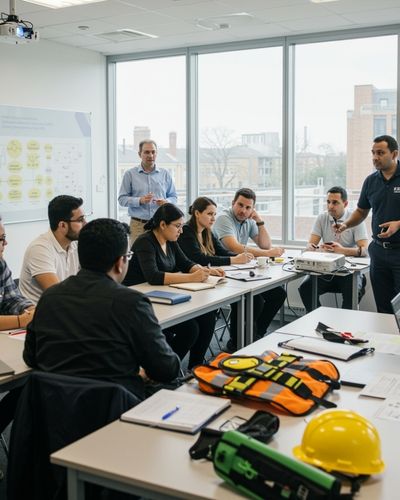
A management team working through a business case study

Benefits to your Business

    • Improved Safety: Reduces the risk of serious injuries by ensuring employees are trained to respond promptly to medical emergencies.
    • Compliance: Helps meet legal and regulatory requirements for workplace safety and first aid training.
    • Reduced Downtime: Minimises disruption and downtime by ensuring immediate and effective response to incidents, potentially speeding up recovery.
    • Enhanced Employee Well-Being: Demonstrates a commitment to employee health and safety, boosting morale and fostering a supportive work environment.


A facilitator presenting learning outcomes to a class

Key Learning Outcomes

    • Effective assessment and response to medical emergencies.
    • Proficiency in CPR and AED use.
    • Treatment of common injuries and illnesses.
    • Knowledge of incident documentation and coordination with emergency services.


Colleagues discussing strategy in an office meeting

Key Areas of Focus

    • Emergency Response: Techniques for assessing and responding to emergencies.
    • CPR and AED: Training in cardiopulmonary resuscitation and using an automated external defibrillator.
    • Injury Treatment: Methods for treating cuts, burns, fractures, and other common injuries.
    • Medical Illnesses: Management of illnesses like shock, choking, and seizures.
    • First Aid Protocols: Procedures for documenting incidents and coordinating with medical professionals.
    • Safety Awareness: Ensuring a safe environment and understanding when to seek professional medical help.


Take the
Next Step

Connect with our team to explore the programme and find the right opportunity for your professional development.