



Skip to content
Leadership Development Training

Leadership Development

SDI course enables participants to explore their own Motivational Value System (MVS) and gain a deeper understanding of how their motivations influence communication, relationships, and conflict management.

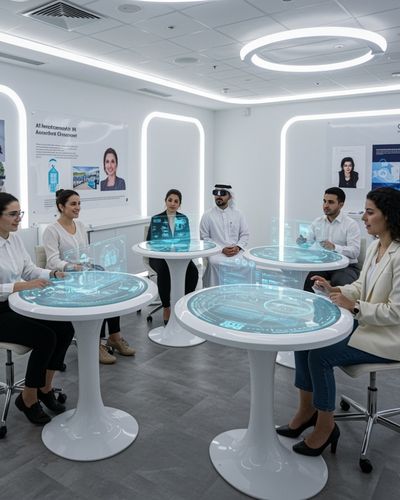
Qatari business leaders in a leadership development session

SDI course enables participants to explore their own Motivational Value System (MVS) and gain a deeper understanding of how their motivations influence communication, relationships, and conflict management.

A trainer leading a leadership development workshop

Benefits to Employees

    • Enhanced Self-Awareness: SDI helps employees understand why they behave the way they do by delving into their underlying motivations, promoting self-awareness and growth.
    • Improved Relationships: By identifying personal values and motivations, employees gain a better understanding of their interactions with others, fostering stronger and more effective relationships with colleagues.
    • Conflict Management: SDI equips employees to navigate conflict more successfully by recognising the three stages of conflict and adapting their approach based on their motivational drivers, leading to more productive resolutions.
    • Better Team Dynamics: Helps in building stronger, more effective teams by leveraging diverse personality traits and working styles.
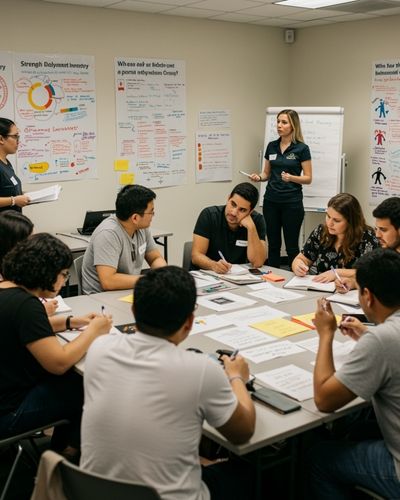


A management team working through a business case study

Benefits to your Business

    • Improved Team Collaboration: Fosters better teamwork and collaboration by aligning diverse personality types and work styles.
    • Enhanced Leadership Effectiveness: Equips leaders with insights to tailor their approach to different team members, boosting leadership effectiveness.
    • Increased Employee Engagement: Enhances employee engagement and satisfaction through personalised understanding and development.
    • Enhanced Employee Engagement: SDI encourages personal and professional growth, leading to higher morale, job satisfaction, and retention.


A facilitator presenting learning outcomes to a class

Key Learning Outcomes

    • Understand motivational value system, personal strengths and areas for growth.
    • Develop skills to manage emotions and relationships effectively.
    • Learn techniques for clear and effective interactions.
    • Apply self-awareness insights to enhance leadership abilities.


Colleagues discussing strategy in an office meeting

Key Areas of Focus

    • Self-Assessment: Tools for evaluating personal traits and behaviors.
    • Emotional Intelligence: Techniques for recognising and managing emotions.
    • Communication Skills: Strategies for effective verbal and non-verbal communication.
    • Leadership Styles: Identifying and developing personal leadership approaches.
    • Interpersonal Relationships: Enhancing interactions with others.
    • Conflict Management: Techniques for navigating conflict, resolving disputes, and maintaining positive relationships.
    • Relationship Building: Strengthening connections and improving collaboration through understanding motivations.


Take the
Next Step

Connect with our team to explore the programme and find the right opportunity for your professional development.